Treadmill
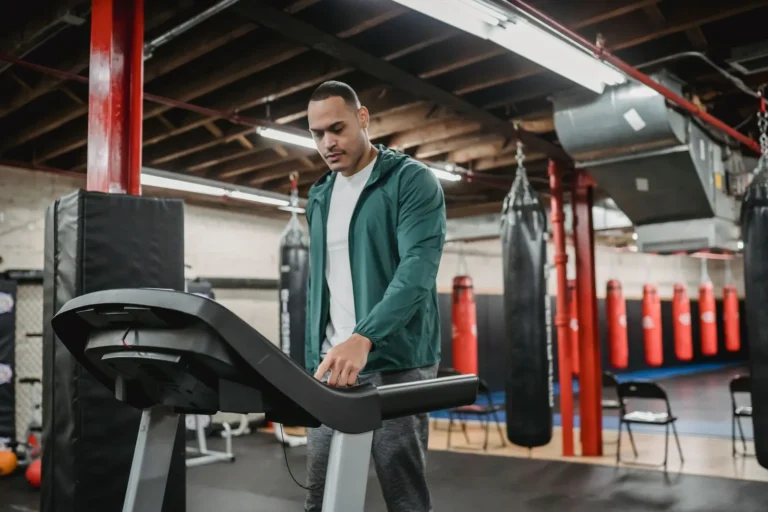
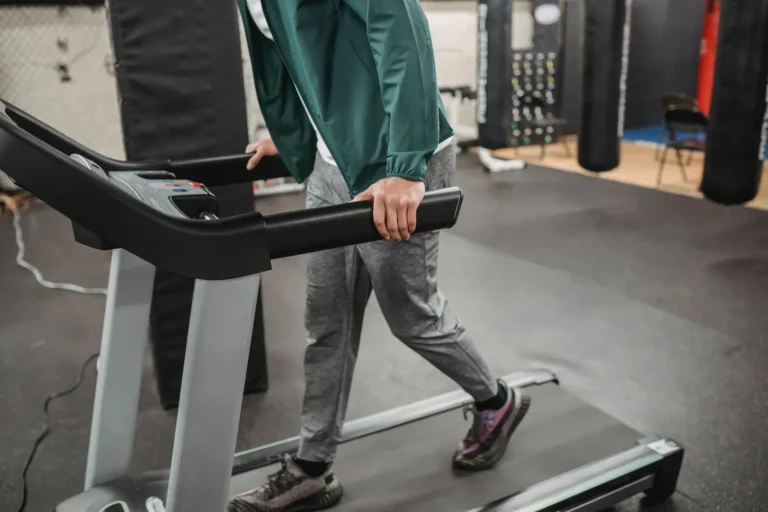
How to Walk on a Treadmill Without Holding the Rails (and Fix Your Stride)
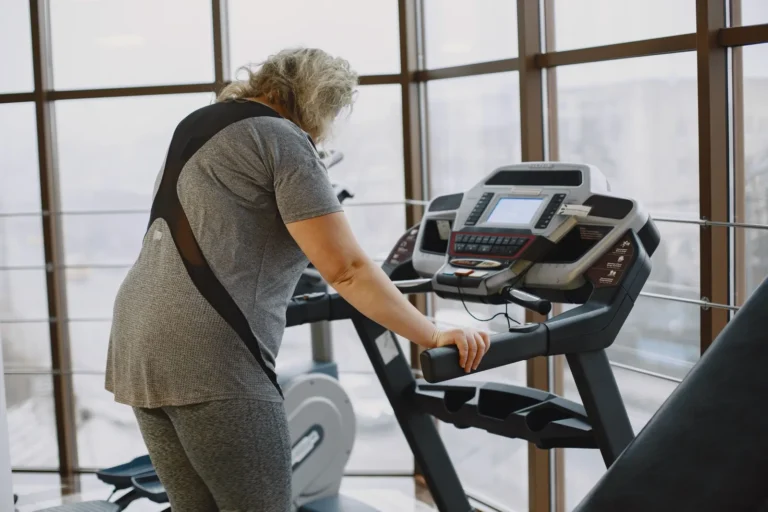
Let go of the rails in four steps and fix the stride problems that make walking feel awkward.

I write the guides on Exercise How To.
I’m Ryan Mitchell, and I write and edit the guides on Exercise How To. The site covers equipment that a lot of people own or use every week: treadmills, ellipticals and Pilates gear, from a simple mat to a reformer.
My aim is simple: answer the question you came with, near the top of the page, then give you the steps and the context to act on it. I’d rather be clear about what’s known, what varies between machines and what needs a professional than pretend every answer is universal.
If you spot a mistake or something that’s out of date, please tell me through the contact page or at [email protected]. I’d much rather fix it than leave it.
Exercise How To is free to read and is supported by ads. Some pages may include links to partner sites. Neither decides what I recommend.
Let go of the rails in four steps and fix the stride problems that make walking feel awkward.
How to follow a Couch to 5K plan indoors, with the first four weeks set out.
The safety key, getting on and off, and habits that prevent slips.
Set-up, posture, resistance and a 20-minute first session.
What the speed number on an elliptical shows, how it relates to RPM, and where resistance fits in.
Impact, calories, bone loading and space, compared fairly.
The core ideas in plain words, your first week and a 15-minute routine.
A four-week mat plan for starting Pilates at home.
Set-up, breathing, common mistakes and easier versions of the Hundred.
How springs, carriage and straps work, and why lighter springs can be harder.
The pros and cons of owning a reformer at home.
Large stability ball or small soft ball: sizes by height and what each is for.
What E1 usually means, a safe power reset and the checks to try before calling service.
Tighten a slipping belt or centre a drifting one with the two rear roller bolts.
How much lubricant a treadmill needs, how often, and the signs of too much.
About 2 m behind and 0.5 m each side, plus the ceiling. Work out the full footprint.
Why continuous horsepower matters more than peak, with rough guides for walkers and runners.
Add your height, the top pedal height and headroom to check your ceiling.