Reformer & Equipment
How Does Reformer Pilates Work? Springs, Carriage and Resistance Explained
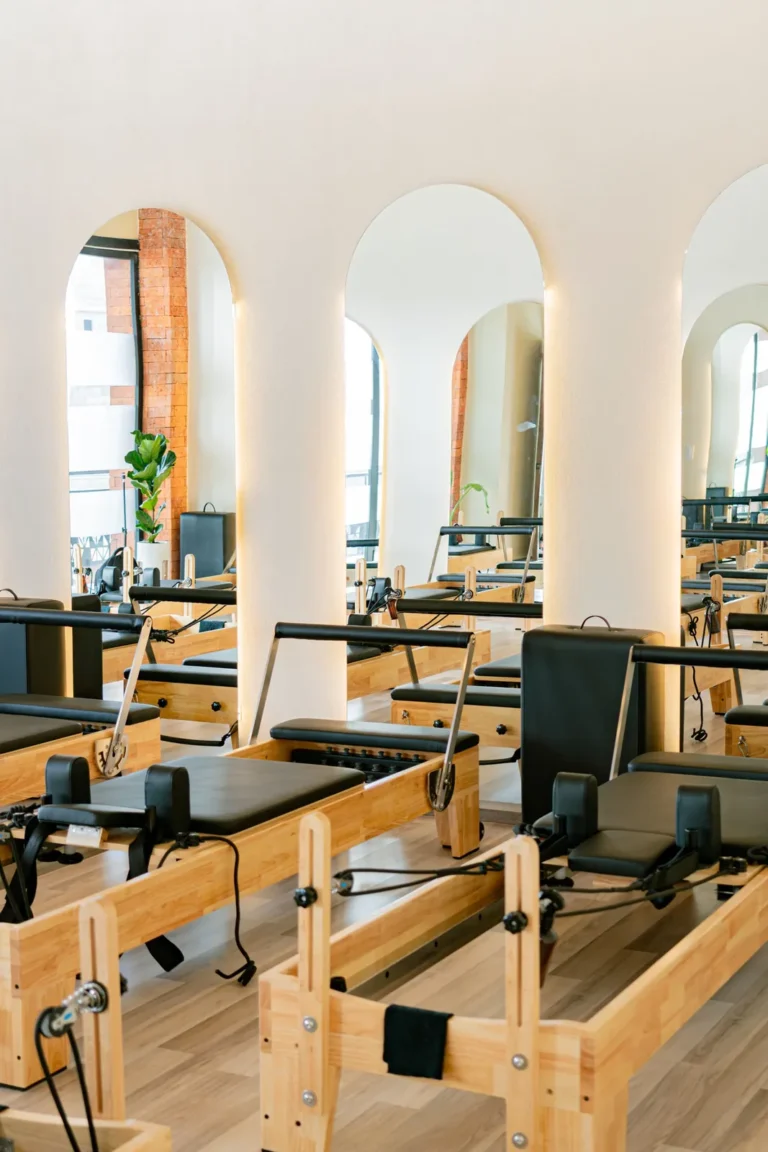
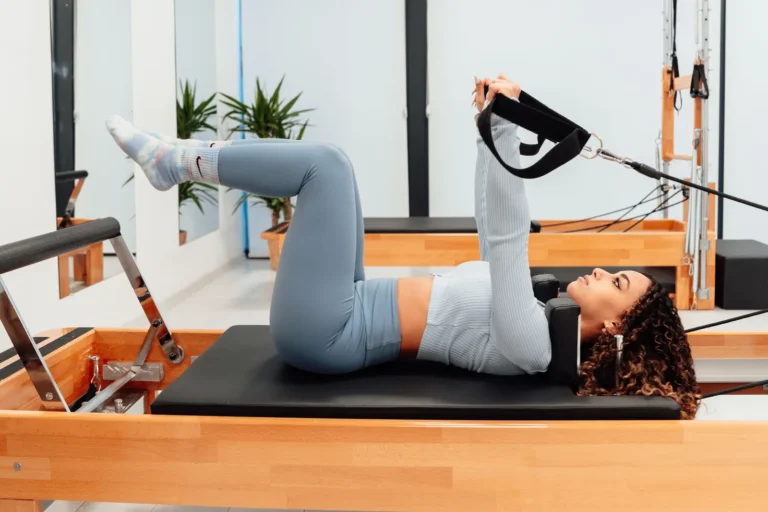
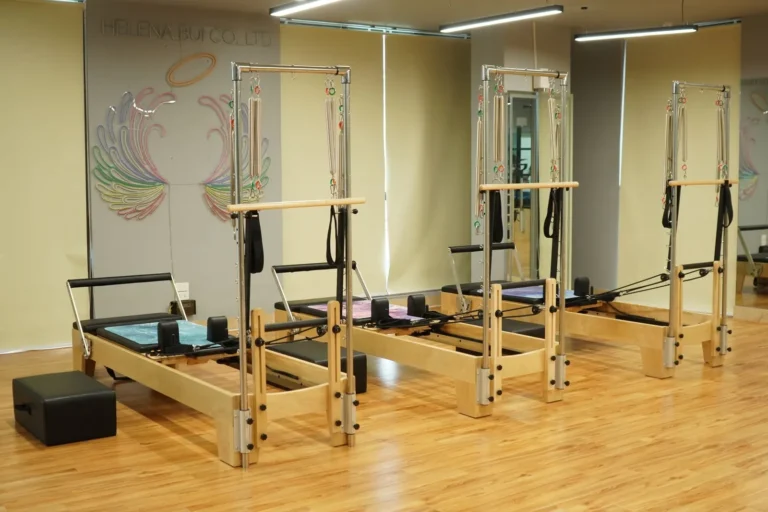
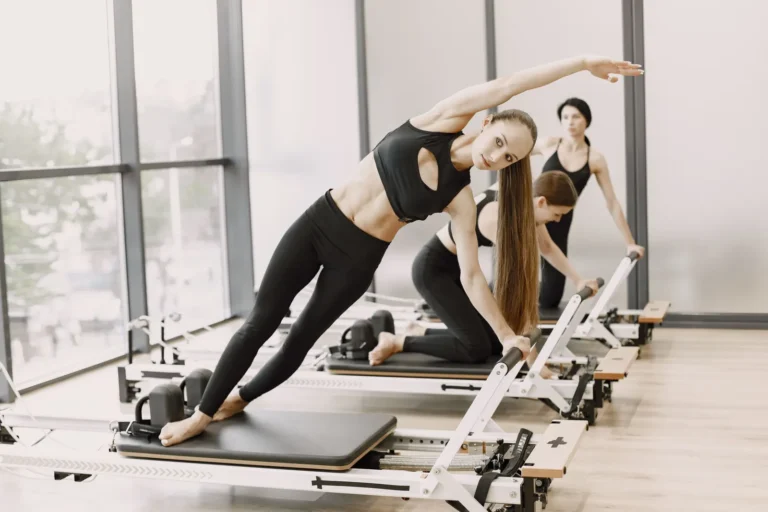
How springs, carriage and straps work, and why lighter springs can be harder.
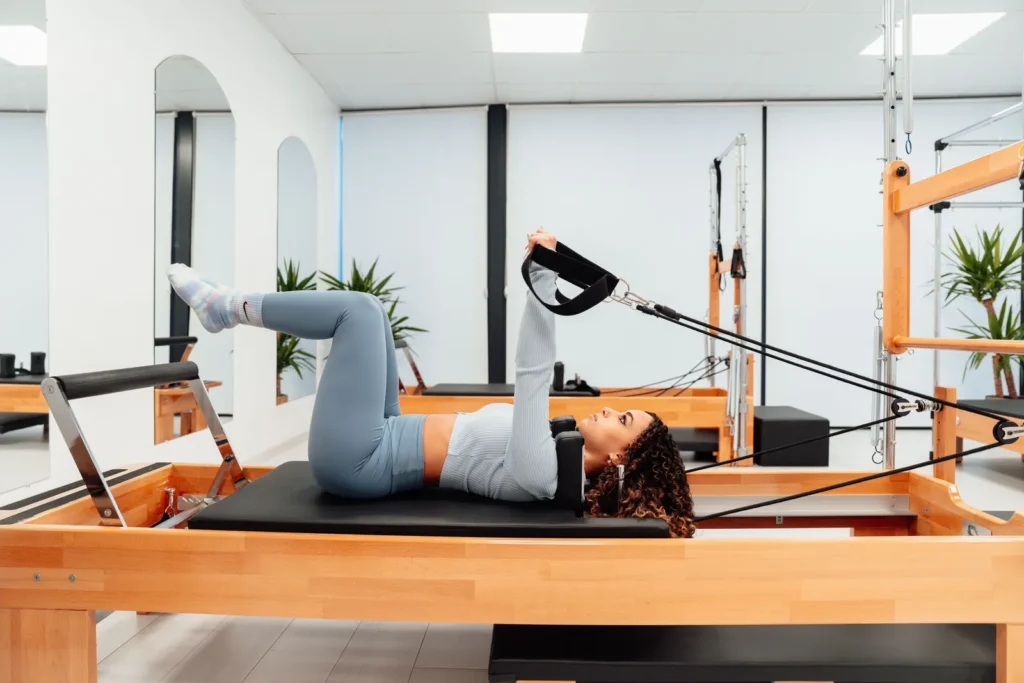
A reformer looks complicated, but it comes down to a sliding carriage, a set of springs and some straps. Once you know why a lighter spring can make a move harder, classes start to make a lot more sense.
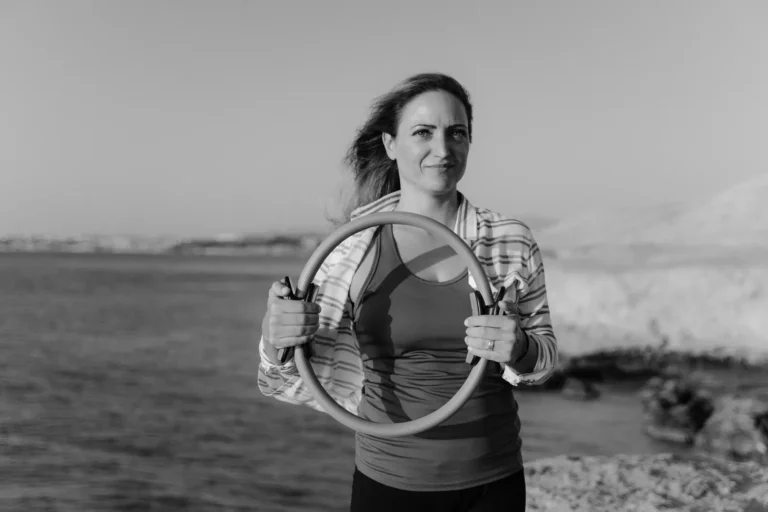
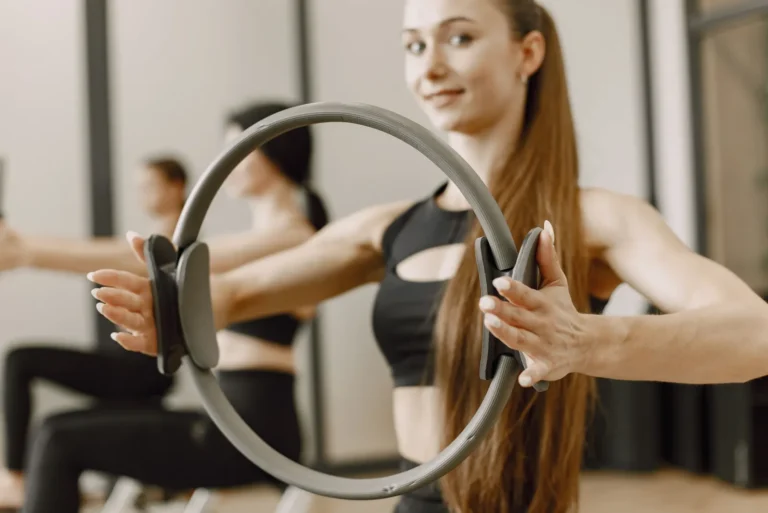
These guides cover how the machine works, whether a home reformer is worth the money and the floor space, and how to choose the small kit that makes mat work more interesting: rings and balls.
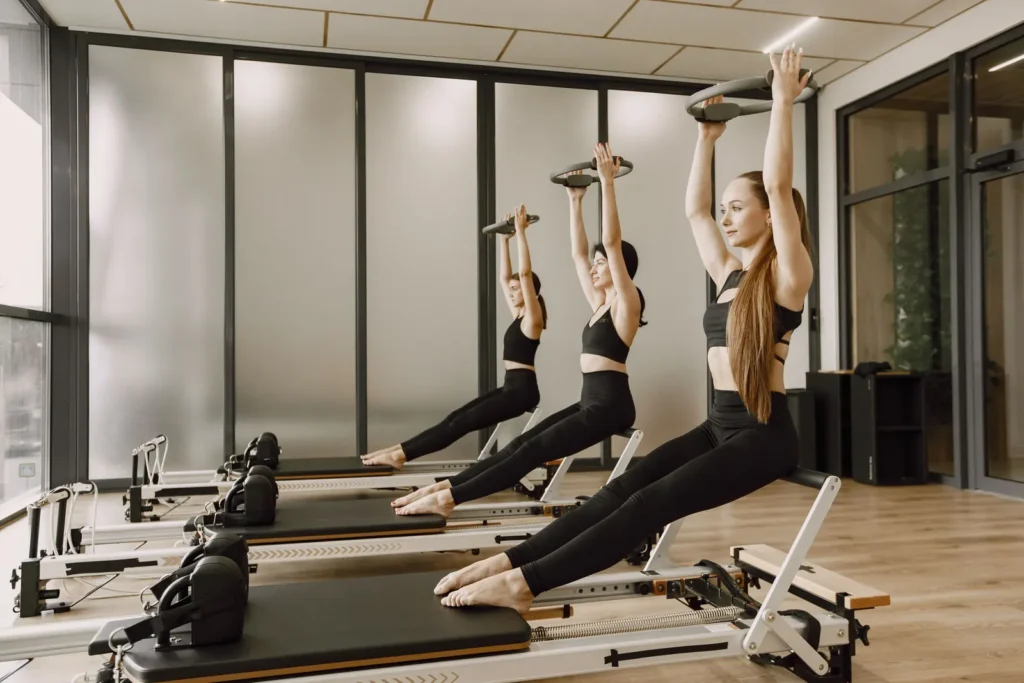
How springs, carriage and straps work, and why lighter springs can be harder.
The pros and cons of owning a reformer at home.
Space, safe set-up and a first 20-minute session on a home reformer.
Space-saving storage ideas for a home reformer.
Springs versus body weight on an incline: how the two machines really differ.
Most rings are a similar size, so stiffness and padding matter more.
What a Pilates ring is for, with five simple moves to try.
Large stability ball or small soft ball: sizes by height and what each is for.